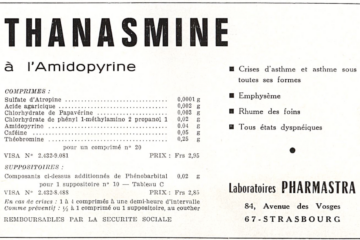
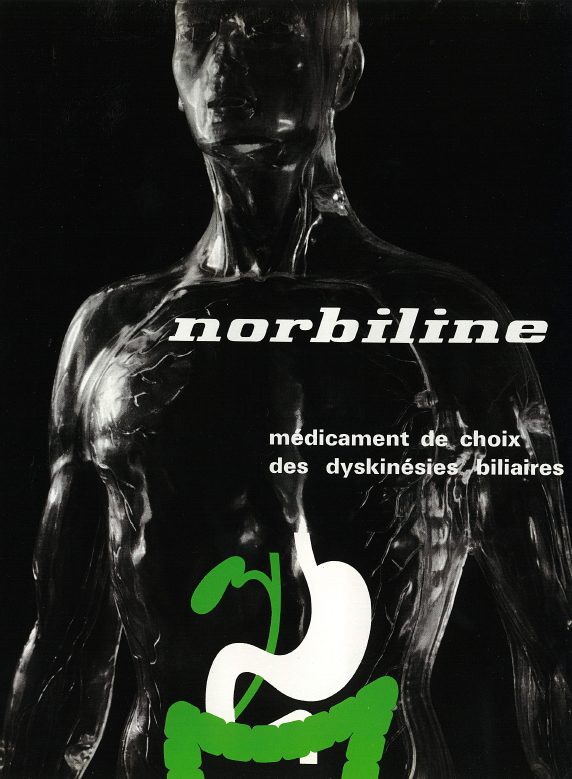
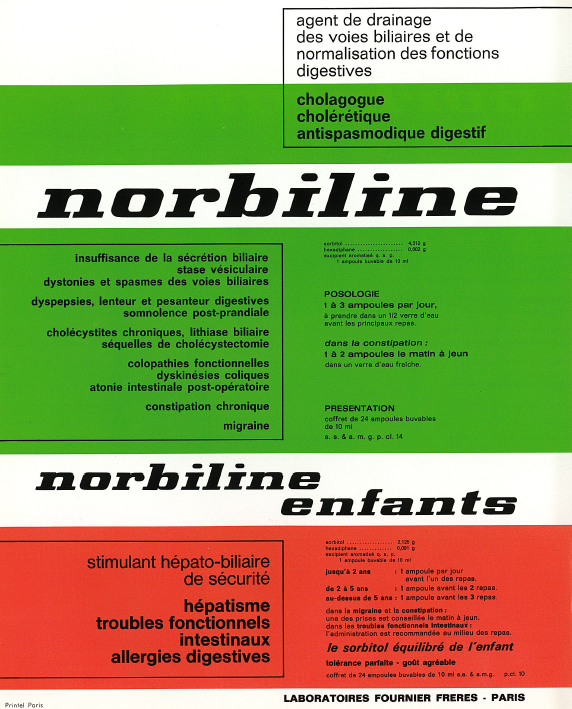
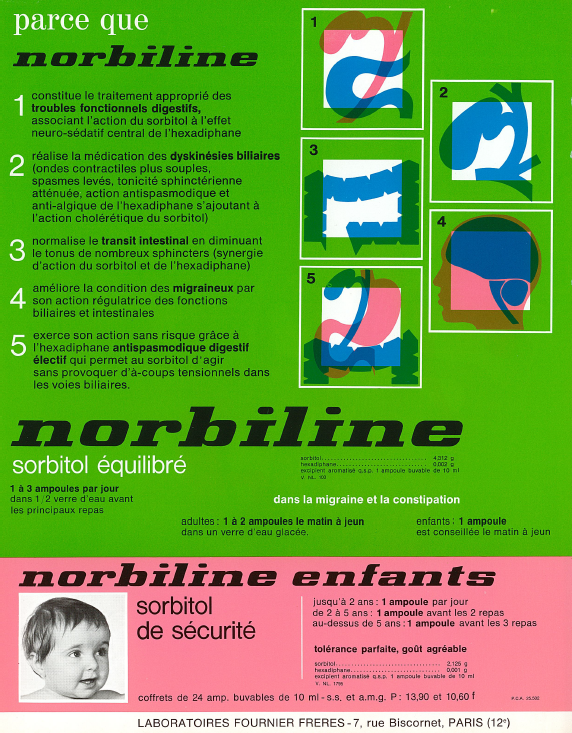
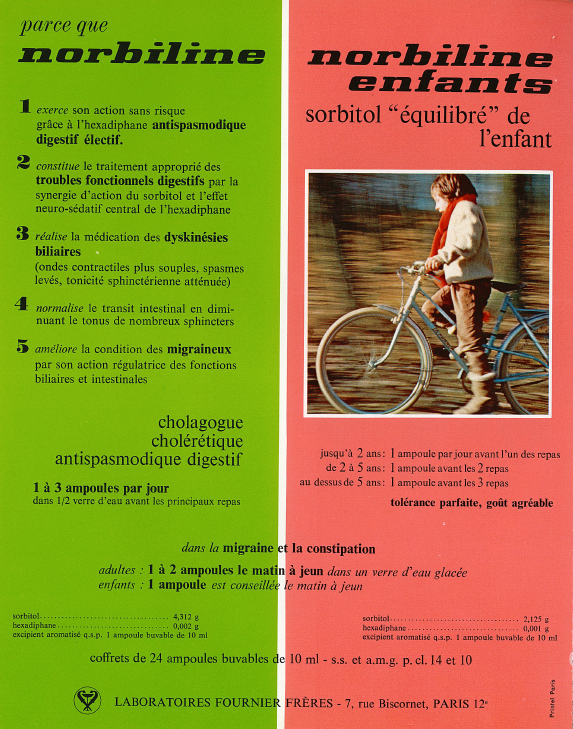
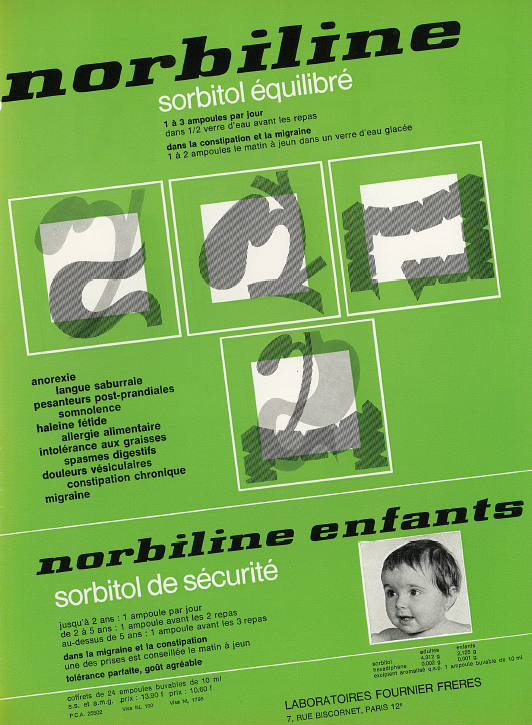
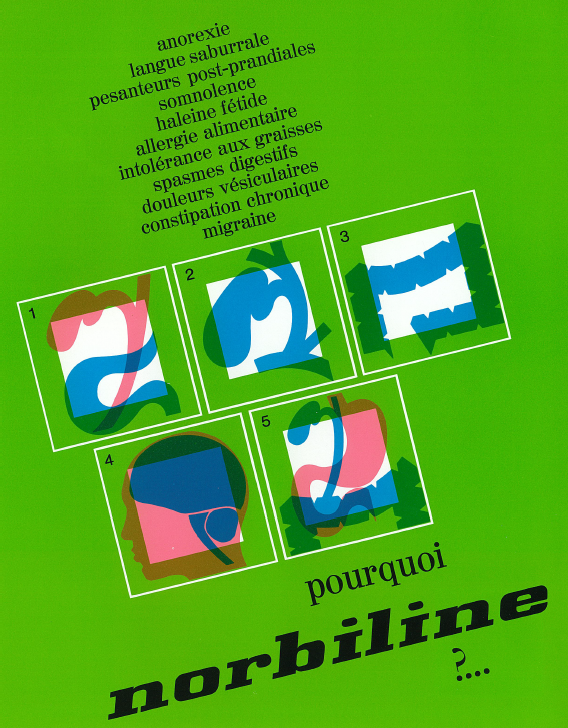
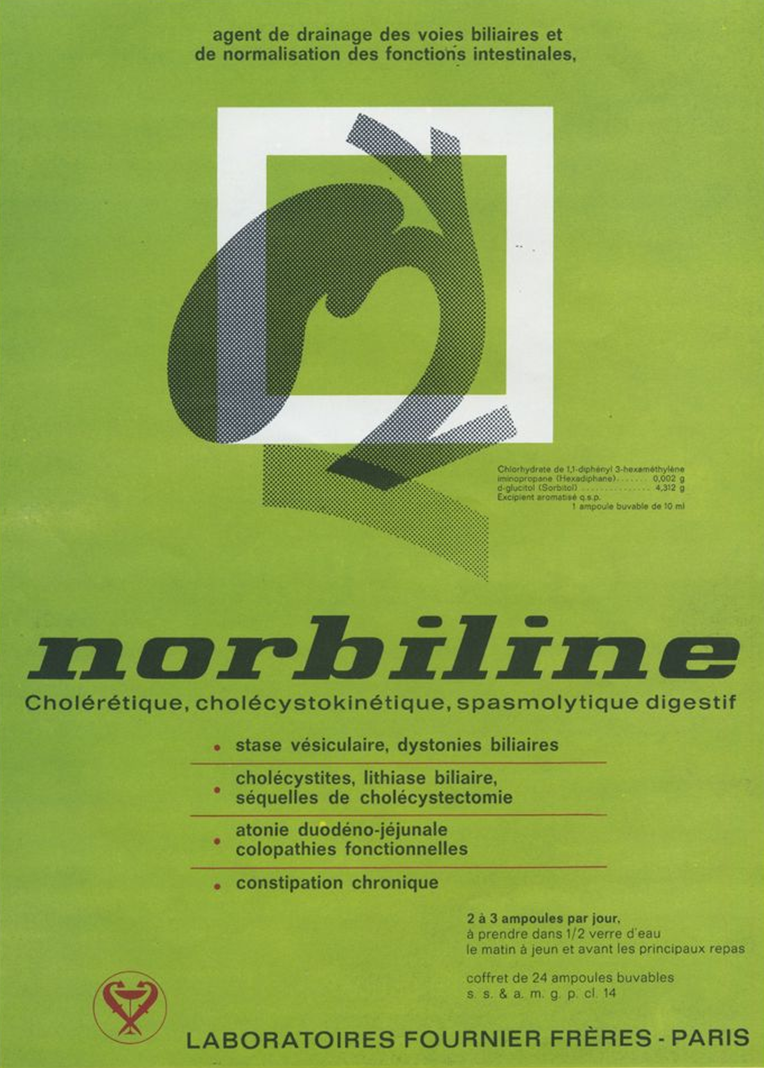
The drug Norbiline was largely prescribed in the 1970s to restore digestive functions in adults and children. It was an efficient drug to treat constipation in children and different types of biliary and gastrointestinal disorders in adults. The drug associated two active ingredients: sorbitol (D-glucitol) and hexadiphane (also known as prozapine). It was formulated as a drinkable solution in glass ampules (10ml).
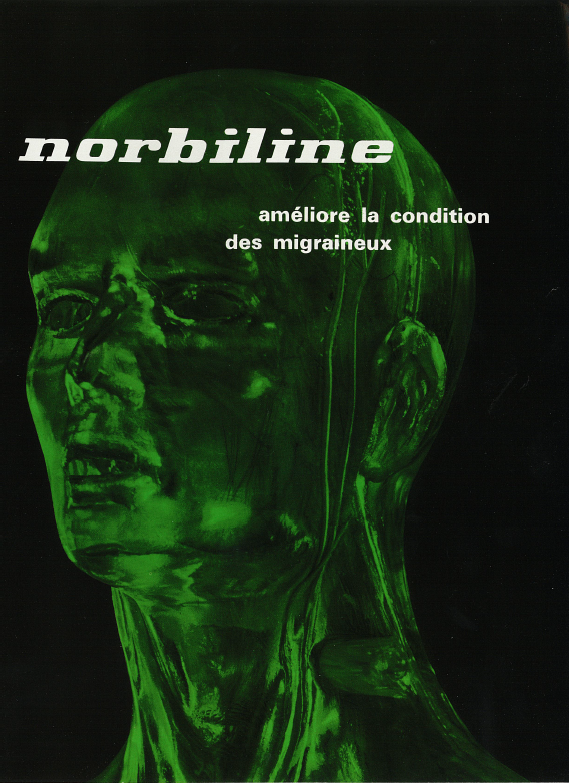
Hexadiphane chlorhydrate is a papaverine-like compound with weak anticholinergic effects. It has been largely used as an antispasmodic agent. Hexadiphane is a 3,3-diphenyl-propylamine derivative of interest to treat biliary dyskinesia, which results from abnormal gallbladder motility (reduced gallbladder ejection fraction), and causes recurrent abdominal pain. The relationship between biliary tract disorders and migraine has prompted the use of Norbiline to treat migraine, notably in women. But the main usages of norbiline concerned intestinal and biliary disorders. This antispasmodic drug is no longer used today.
.
.
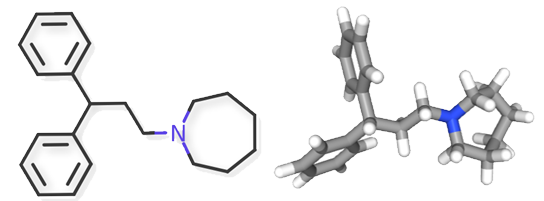
hexadiphane (prozapine)